-
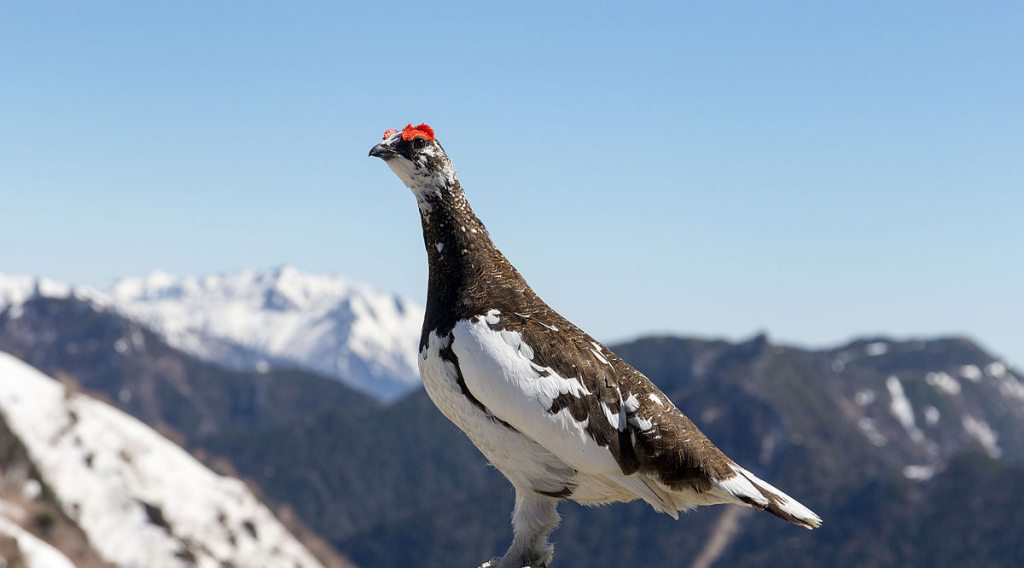
77: Ptarmigans, aka Thunderbirds
Time for another animal spotlight, and this week we’re revisiting our feathered friends, with an episode on the Arctic bird, the ptarmigan. This bird’s most striking feature is it’s fluffiness, but it is a master of survival in the harsh climate of it’s northern home. Here we’ll be looking at how it survives, from it’s… Read more
-
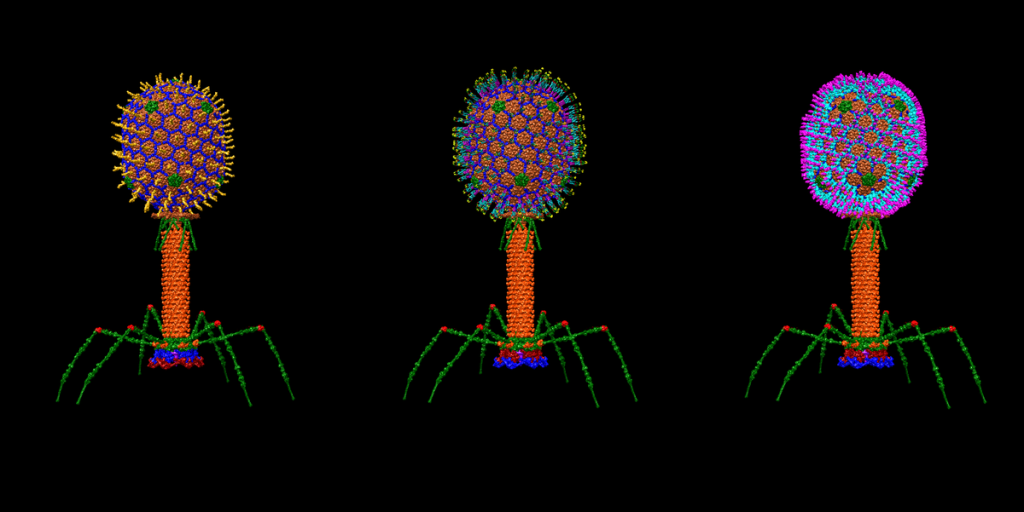
76: Bacteriophage, the virus we like
What would you guess is the most numerous creature on Earth? Perhaps flies, or ants, or probably more likely bacteria? It is, in fact, the sworn enemy of bacteria- the bacteriophage. There are an estimated 1031 bacteriophages on the planet, which is more than the number of every other living organism combined. On top of… Read more
-

75: The Hunt for the Northwest Passage
For around 400 years, the Northwest Passage was the holy grail for many nations and explorers, and the hunt for it involved tales of heroism, wonder, disaster and doom. What was this passage, why was it so important, and what were some of these dramatic tales? Find out in this week’s plog! Trade Routes In… Read more
-

74: Totem poles and sculptures
For a long time, most of what the world knew about Native American cultures came from the Hollywood and spaghetti western films, where cowboys and Indians roamed the prairies and deserts, locked in a constant battle against one another. These films were made for entertainment, geared towards non-native audiences, and often made by people with… Read more
-

73: The Ecology of Fear
It can be easy to compartmentalise science and emotions as being totally separate. However, how we and the creatures around us feel do have an impact on the natural and physical world around us. This week we will be exploring this topic by looking at the ecology of fear, an emotion or response which has… Read more
-

72: Clothes in the Arctic
The Arctic is perhaps best known for being, well, cold. Compared to the super hairy, blubbery animals that make the Arctic their home, humans are pretty lean and hairless, making us physically quite badly suited to the climate. However, what we lack in natural furriness we make up for in ingenuity. This week we’ll be… Read more
-
Subscribe
Subscribed
Have a WordPress.com account? Log in now.

