-

50: Sea ice in the Arctic is melting… except in the Bering Sea
Hello and welcome to another Notebook from the North! This is not just any old plog episode however, it’s the 50th one! Who’d have thought we’d get this far eh? To celebrate this milestone, we have a special expert guest writer- the wonderful Greta Ferloni. Greta’s research work has taken her from Jerusalem to Italy… Read more
-
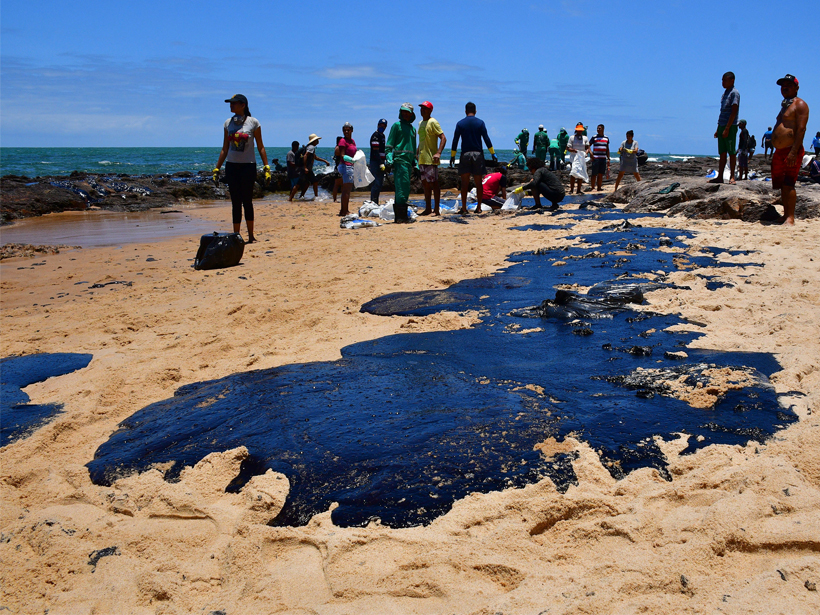
49: Oil Spills
In June 2020 news came from Russia that there was a national emergency. The melting of permafrost leading to the ground subsiding had caused a tank at a power plant in Norilsk to collapse, spilling 20,000 tonnes of oil into nearby water sources. The rivers turned red with oil, and Putin quickly dispatched a team… Read more
-

48: Temperature- what is it?
We all know that winter is cold, but other than uncomfortable what actually is cold? And on that note what is the heat we feel on a hot summers day? What is temperature? This week we’ll be going to the scientific basis of what temperature actually is, some of its extremes, how we measure it… Read more
-

47: Ocean Stratification
The ocean isn’t just one giant uniform puddle of water on the earth’s surface. Within it’s waters there are lots of different of layers, which have, and have the potential to have big impacts on us and our planet. Also they can contain briny pools of toxic death in the middle of the ocean floor,… Read more
-
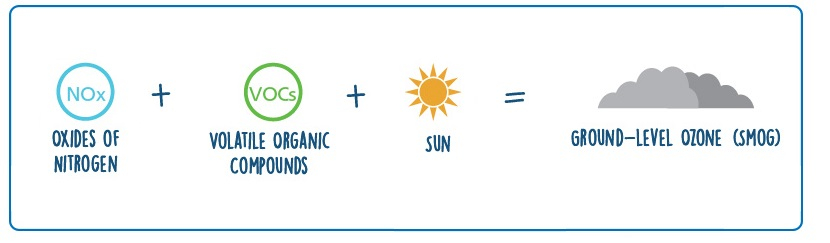
46: Ozone- is it good or bad, and is it still a hole?
For a while the big conversations around the environment and climate were climate change, pollution and the ozone hole. The climate is most definitely still changing, and pollution especially in the form of plastics is still a popular point of discussion, but what about ozone? What is it, and why was it a hole? Why… Read more
-

45: Reindeer/Caribou
Time for another animal spotlight here, this week being the reindeer!! And caribou… we’ll get on to that. Reindeer are pretty amazing animals, being one of the core reason people managed to survive in the Arctic in the past. We will be looking at their history, their natural history and how they were used in… Read more
-
Subscribe
Subscribed
Already have a WordPress.com account? Log in now.
 Notebook from the North